

The Maya people constructed some of the most remarkable and long-standing architectural marvels of the ancient times in the form of magnificent temples, palaces, and large cities which were indicative of their scientific understanding, religious convictions, and social structure. They were built using local materials, engineering and astronomical orientations, and thus created iconic structures that were utilized in ceremonies, governance, and life in general.
Building Foundations and Layered Construction
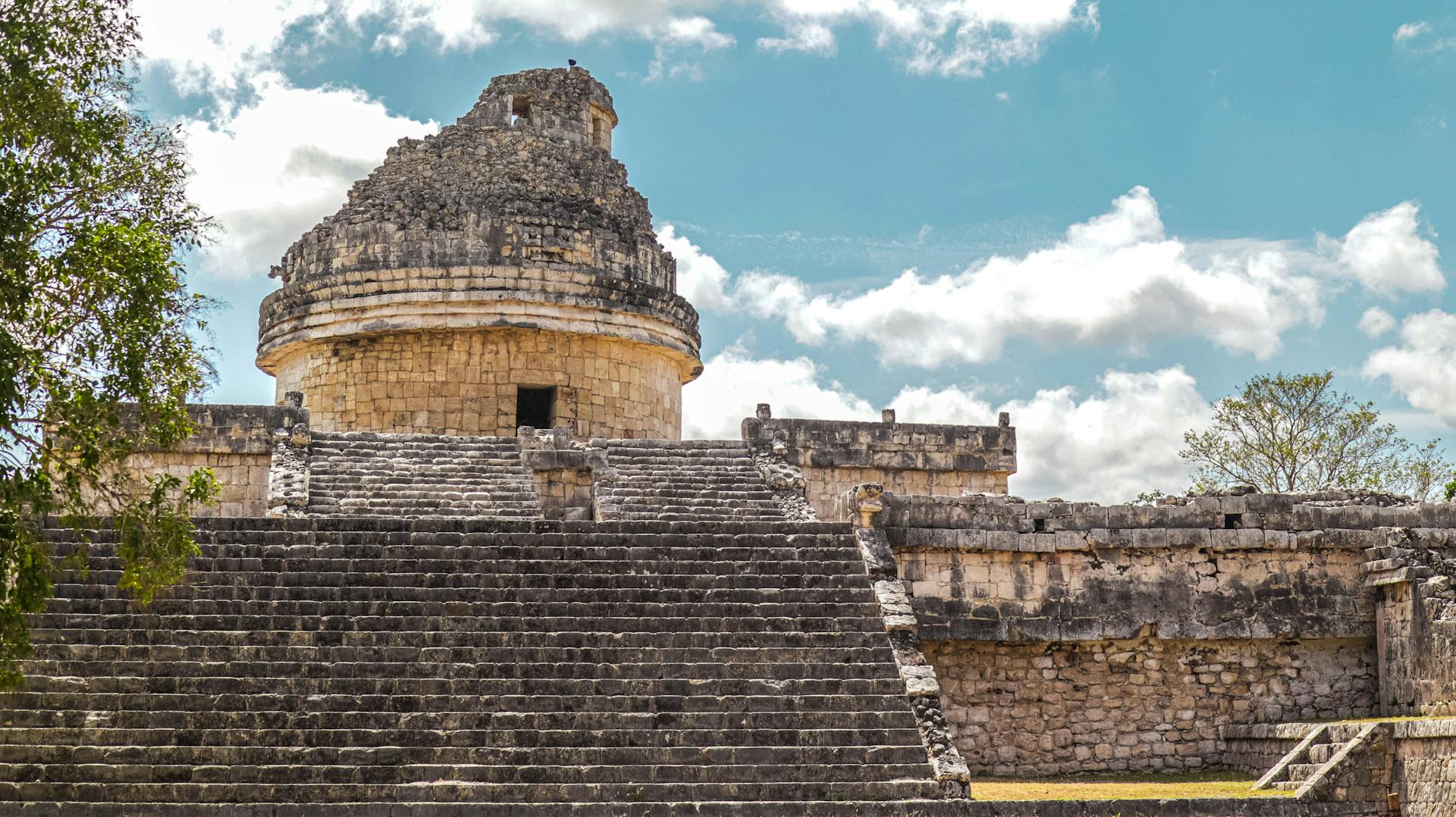 The building of Maya was a slow process and mostly with layered building. The first platform was made by constructors out of rubble and earth as a strong stable platform on which the essential buildings could be raised to avoid seasonal flooding and to give the necessary stability. On this they superimposed neatly cut stone facings, to make pyramids and temples in one above another, occasionally in several layers. The successive renovations or expansions frequently inspired by political or religious causes made each new layer expand or elevate the structure. The topmost layer was covered with lime plaster and embellished either with carvings or stucco mask, which were initially painted in bright colours in order to make the structures alive.
Corbel Vaults and Architectural Innovation
The corbel vaults rather than the actual arches was also another unique Maya building method. This was achieved by piling stones in such a way that every course was slightly protruding inwards until a gap was closed by a capstone forming narrow and high chambers that were used in temples and in elite tombs. The Maya made use of corbel vaults to construct rooms with impressive height and functionality even though the arch technology was not so advanced. Lintels over doorways were made of wooden beams, some carved with a great deal of detail with glyphs and portraits of monarchs. This architectural innovation enabled the use of monumental exterior and useful interior to hold rituals and elite meetings.
City Layout and Urban Planning
In comparison to other ancient civilizations, which had strict urban designs, Maya cities were often designed with a certain degree of flexibility that was determined by the terrain. The majority of cities were situated in the middle of large plazas which were used as common areas to conduct ceremonies and markets. These plazas were surrounded by significant religious and governmental structures like pyramid-temples, palaces and ball courts. Orientation was also regarded with a lot of thought where many temples were oriented to heavenly phenomena such as solstices and equinoxes, which represented the Maya as a science and spiritual community. The sacbeob were causeways that linked different sections of the city and made movement easier and supported social order by means of space organization.
Materials and Decoration
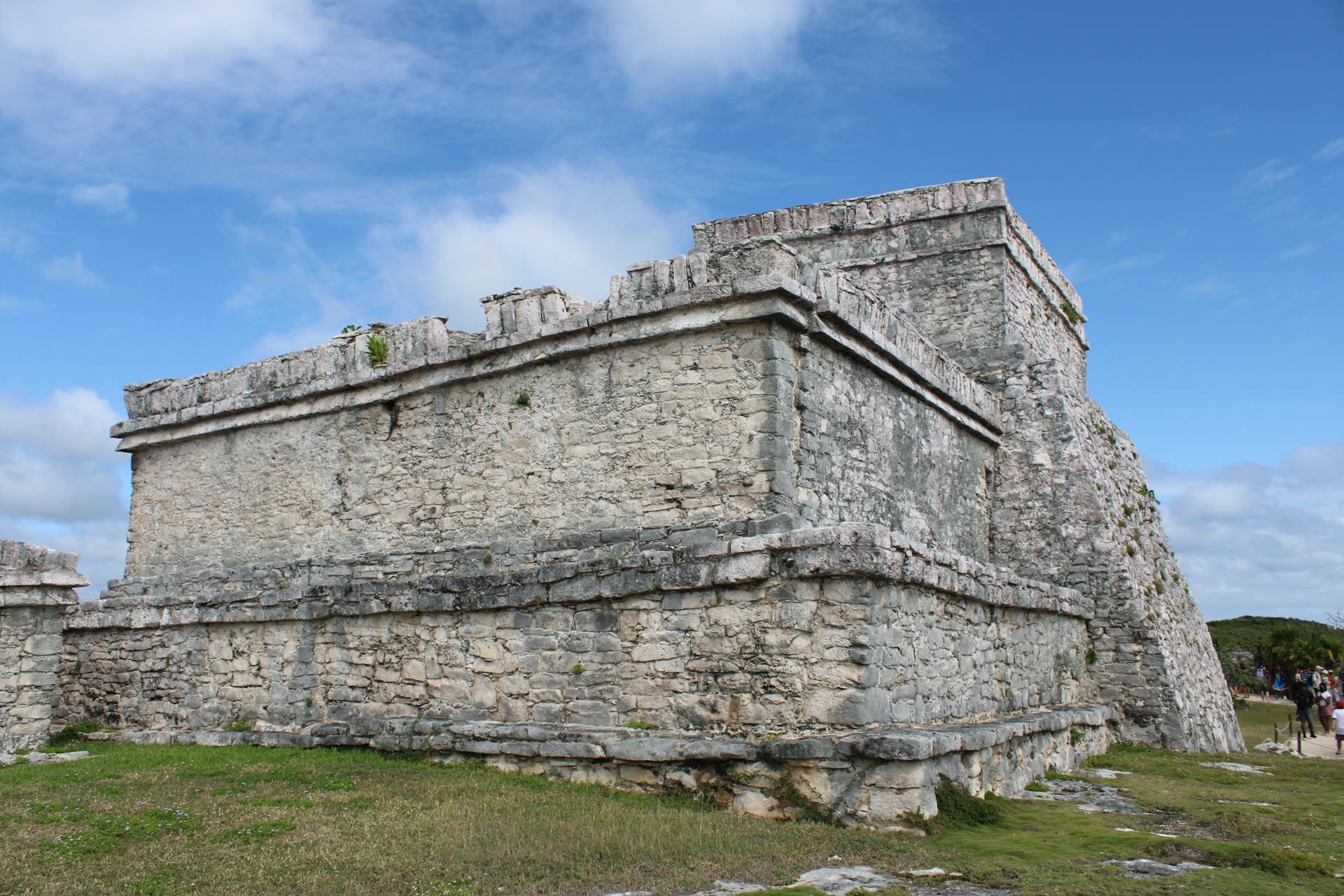 The Maya used local resources such as limestone as the major source of their constructions. Quarrying of limestone was done and blocks were made to form a wall that was covered with stucco. This stucco was an ideal background on which to paint large-scale murals, carvings, and painted friezes in red, blue, yellow, and others, depicting gods, animals, and mythological scenes. Their architecture was of a religious nature with the exteriors being made up of giant masks depicting gods. Decoration and color made plain stone buildings living things, living things of cosmic order and strength.
Evolution Through Time and Legacy
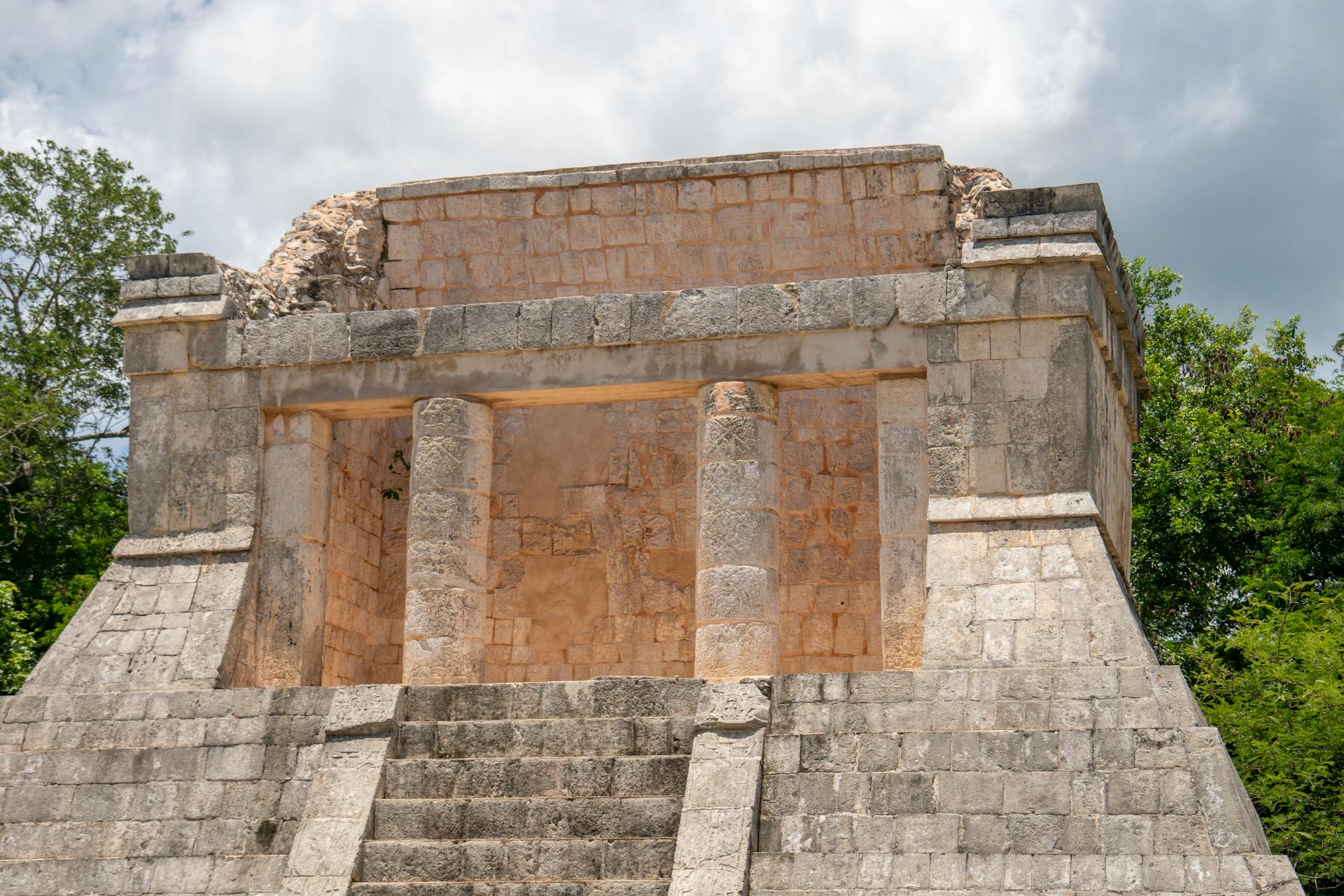 Maya architecture was developed based on the rudimentary platforms and coarse stone structures during the preclassic period into the monumental pyramids, vaulted palaces, and sculpted stelae that were very detailed during the classical period (250900 AD). Their engineering skills upgraded with time and thus the urban centers became more complex, highlighting the affluence of elite rulers. Even the smaller of the temples were carefully oriented to be used in rituals, indicating that it was a society that was highly sensitive to the cycles of the cosmos. These architectural wonders keep attracting and educating the contemporary knowledge about Maya knowledge, culture and city construction.
To sum it up, the Maya constructed their legendary temples and cities in a clever combination of a stratified construction, architecture such as corbel vaults, harmonization with the natural landscape, and the orientation to the stars. Their utilization of local materials and their bright ornamentation coupled with the development of urban structure to form spaces as practical as they were spiritually symbolic led to a rich heritage of architectural accomplishment.