

The discovery of the Mayan culture is a unique experience of one of the most advanced ancient civilizations of the Americas. As a first-time visitor, knowledge of important archeological sites, cultural attractions, and the local experiences adds value to the adventure. The Maya heritage is vast and encompasses various nations with Mexico, Guatemala, and Belize providing unique and immersive experiences to the great culture.
Must-Visit Archaeological Sites
 The Mayan culture is all about its magnificent ruins that are located in Central America. Chichén Itzá has a famous pyramid, El Castillo, that corresponds to the astronomical phenomena and is a symbol of Mayan engineering skills in Mexico. The history is mixed with some beautiful Caribbean beaches near coastal ruins such as Tulum. Mexico has other interesting places such as Palenque and Calakmul which are known to have elaborate architectural structures and jungles. Tikal, Guatemala, is a destination that should not be overlooked since it has high pyramids towering above the green cover, which allow the visitor to climb on the old temples and view various wildlife. Although Belize is small scale, it has other gems such as Xunantunich and Caracol, which are well preserved and how the Mayan cities blend with the forest environment. Caves like the Barton Creek give us an idea of what ceremonies and rituals were done.
Experiencing Living Mayan Culture
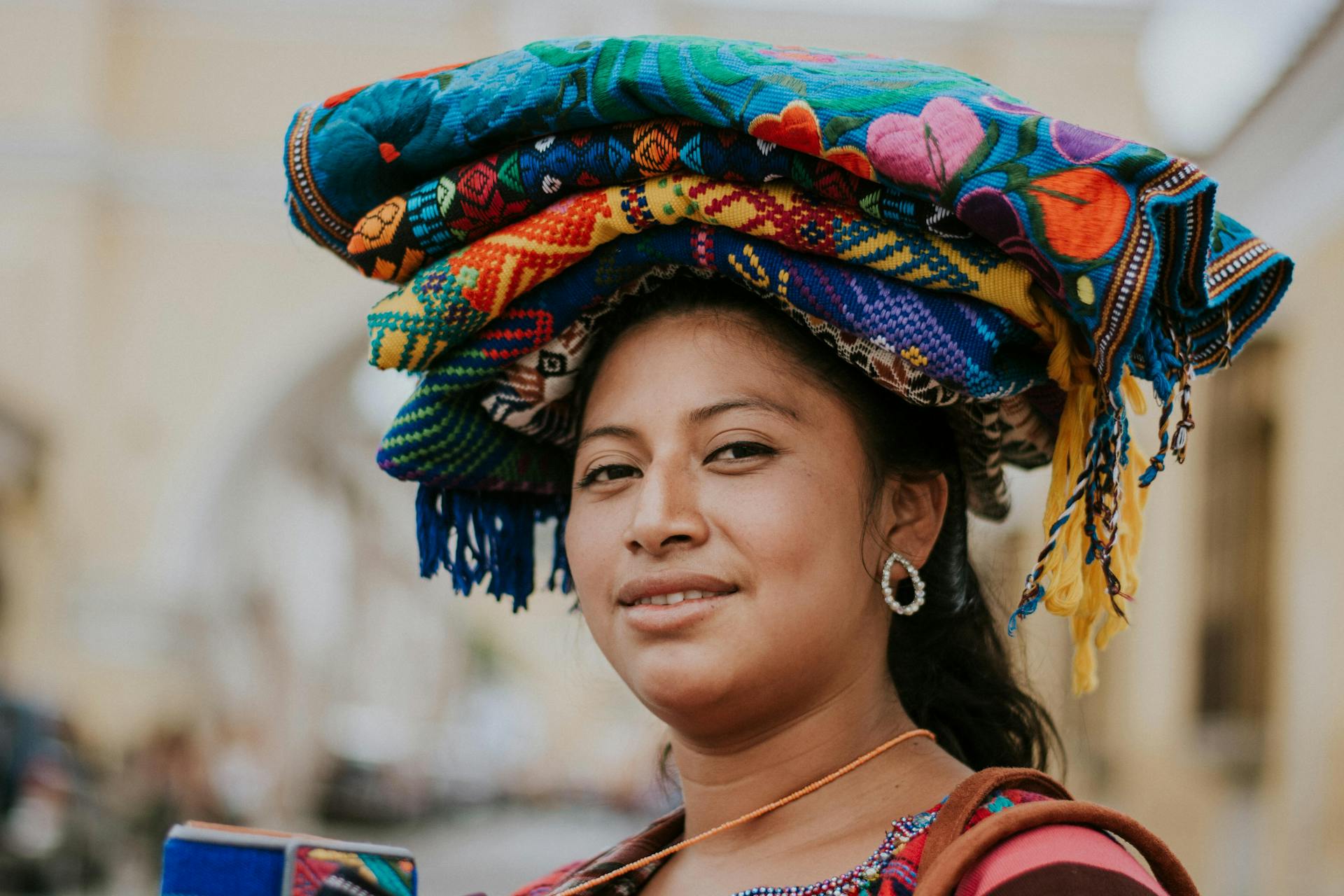
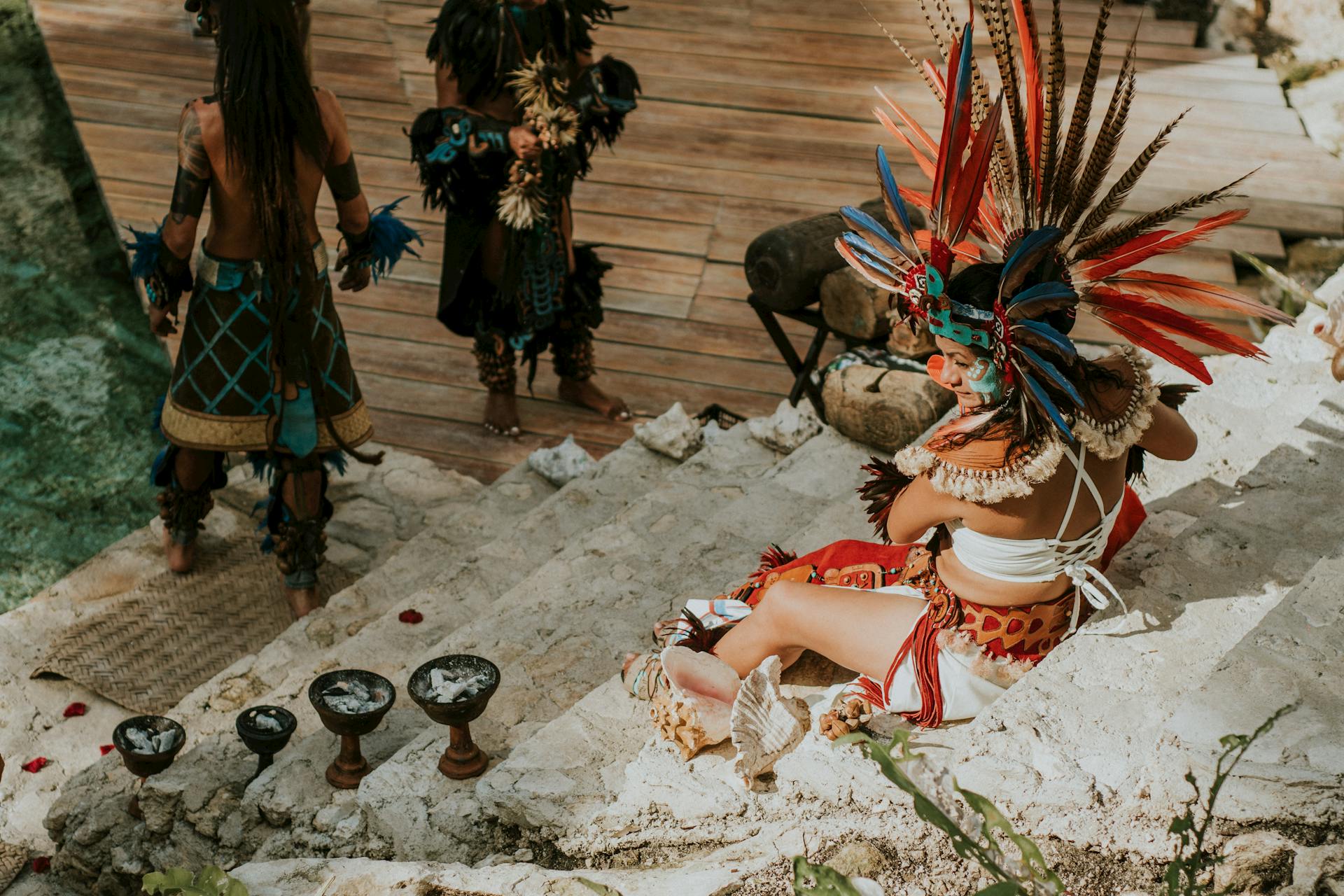 Mayan heritage is by no means limited to archaeology; it is alive in the bright culture of modern Maya nations. Local Maya communities in places like southern Belize and Guatemala preserve ancient farming methods, arts and festivals that can be traced back to centuries old. Tourists will be able to enjoy colorful celebrations, taste traditional food and buy hand-made fabrics and pots on the spot. Respectful interaction with these communities provides a valuable insight into the Maya cultural legacy that extends beyond the ruins a window into the Maya present culture. Most of the tour operators provide culturally sensitive experiences that lead to learning and appreciation and support local economies.
Navigating the Natural Environment
The Mayan culture and history are connected with nature. These landscapes were both spiritually and practically important; forests of dense rainforests, and crystal-clear cenotes (natural sinkholes). The Mayan mythology had cenotes as a source of sacred water and a way to access the underworld, and most of them are currently used as swimming pools by tourists. The jungle environment provides protection to a lot of wildlife and gives opportunities to hiking and watching birds. The trails between Mayan sites generally go through some beautiful sceneries and offer an adventure and learning experience. Visits to the cultural and natural heritage of a specific area can be safely and informative as they are planned in dry seasons, and professional guides are hired.
Practical Tips for Visitors
Preparation adds to the experience when one visits Mayan sites. Comfortable walking shoes and sun protection are necessary since most of the ruins can only be accessed by hiking and are open to the tropical sun. Not all sites have facilities, particularly the off-road ones, and in that case, it is better to carry some water and snacks. The visits are enhanced with historical background and cultural tales by employing local professional guides. Most of the sites require entrance fees which are used to conserve the sites and to ensure that the treasures are conserved to be available to the coming generations. Taking the tours to the archaeological sites and combining them with the local villages, markets, and natural attractions will make a balanced itinerary of first-time travelers.
Respect and Preservation
It is important to treat the Mayan culture and heritage respectfully. These involve adherence to site regulations, not touching delicate structures and not taking away artifacts. Sustainable tourism is encouraged by supporting local guides, artisans and community-based businesses. Tourists are invited to explore the historical value and modern issues of Maya peoples, which makes the attachment and understanding closer and more valuable. Through responsible travel, the diversity of the Mayan culture will be preserved and enjoyed by the current and future generations as the rich history of this great civilization.
To conclude, the initial discovery of the Mayan culture is a trip to explore the in the ruins, living traditions, and the beauty of the natural scenery. Such a visit will be memorable and meaningful due to careful planning, respect of the local communities and a spirit of discovery.