

The region of Yucatan that is in the southeastern Mexico is proud to be the center of the Mayan civilization. It was a core center of Mayan culture, politics, religion and architecture and archaeological sites are located there that can provide deep insights into one of the most advanced ancient civilizations in the Americas. The region is considered a key to the Mayan world due to the distinctive geography, the long period of cultural heritage, and the largest cities in the region.
Cultural and Historical Significance
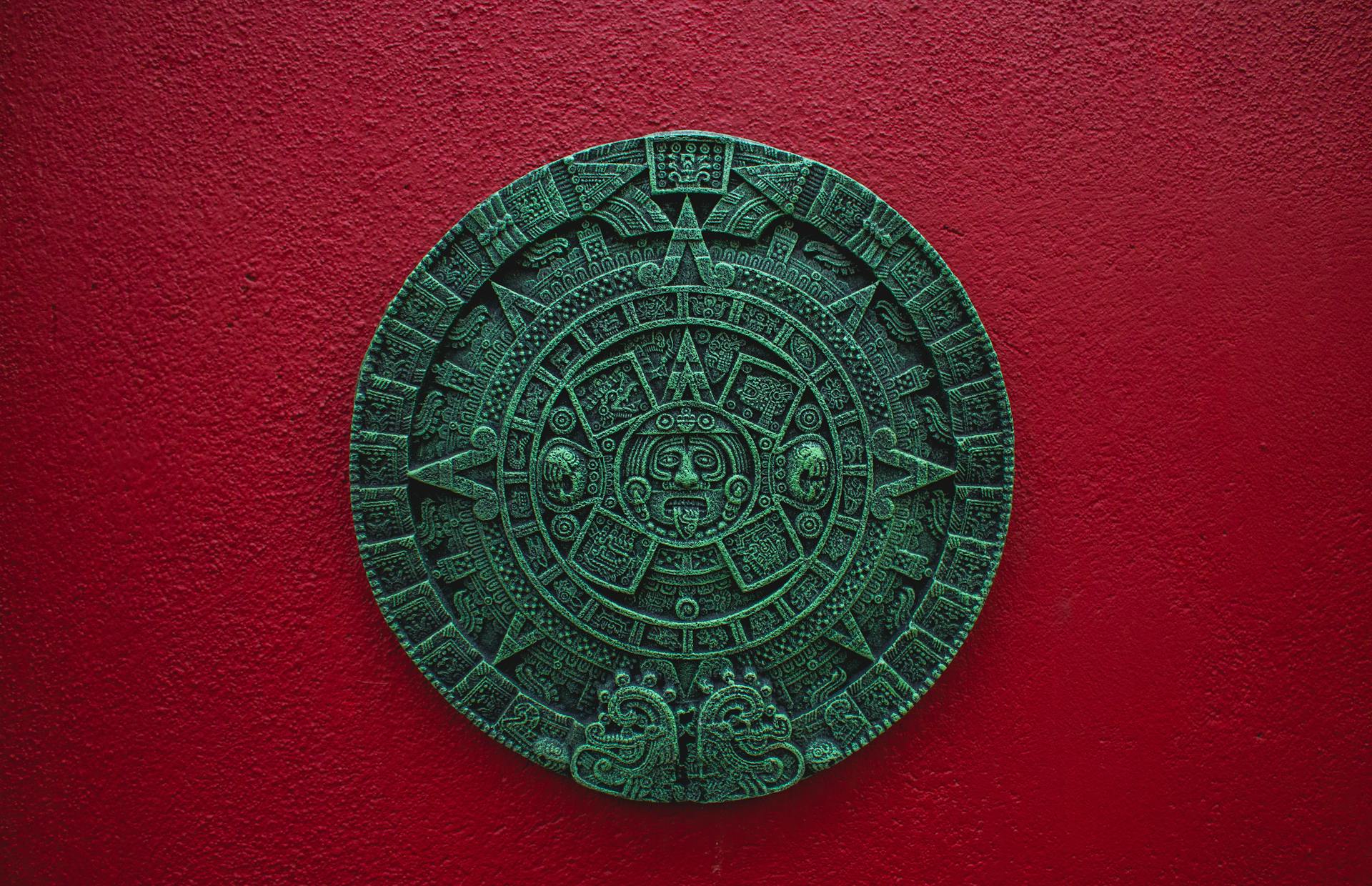 Chichén Itza, Mayapan, and Uxmal were some of the highest Mayan cities that thrived especially during the Postclassic Period (c. 900 to 1500 CE) in the Yucatana Peninsula. These were not just political centers but also lively religious and social centers of these cities. Chichichen Itza, which is regarded as the crown of Mayan architecture, demonstrates a curious combination of Mayan and Toltec elements and represents significant religious rituals, e.g., the Sacred Cenote ceremonies and the Mesoamerican ball game. The fact that the Maya aligned the temples with the heavens shows how astronomically advanced and spiritual the Maya were. The cultural hearth of the Yucatans can also be backed by the fact that the territory has been inhabited throughout history and the Maya communities that are still living there have maintained ancient traditions and language.
Geographical and Environmental Importance
The Mayan civilization developed and was organized due to the geography of the Yucatan Peninsula. The terrain of the region was low limestone with a lot of cenotes (natural sinkholes) and was essential in terms of sustainable water sources in a region that was otherwise arid. The Maya regarded these cenotes as spiritual places, which were usually regarded as a pathway to the underworld and an offering as well as a place to carry out rituals. The availability of natural resources, together with the fact that the environment was manageable to conduct agriculture, resulted in the successful urban centers. The place in the peninsula between the Gulf of Mexico and the Caribbean Sea also helped in the trade and cultural exchange linking the different city-states of the Mayan and allowing the economic prosperity in the region.
Architectural Marvels and Scientific Advances
The archaeological sites of the Yucatans show just how well the Maya were at architectural and engineering skills. El Castillo pyramid of Chichén Itza is also known to be precisely aligned with the equinox sunsets and sunrise, showing a high level of astronomy knowledge. The architecture is also striking in other cities such as Uxmal and the Puuc style, which is characterized by elaborate stone mosaics and ornaments on the facade. Their scientific sophistication is reflected in such observatories as El Caracol in Chichén Itza. These grand monuments go beyond utilitarianism and reflect the Maya cosmology, social organization, and technology, so the Yucatán is the center of their architectural genius.
Living Maya Culture Today
Yucatán Peninsula is an alive area where the Maya heritage flourishes beyond the ancient ruins. The indigenous Maya groups still speak their language, practice ancient crafts and hold celebrations related to their agricultural seasons and the belief in ancestors. The continued use of Maya culture in the Yucat Kan enables visitors to get a living culture that augments the archaeological record. This living relationship solidifies the fact that the region is the cultural center of the Maya people, the connection between the past and the present.
Significance for Understanding Mayan Civilization
The research of the Yucatan Peninsula is the vital information about the social, political, and religious organization of Maya. The clustering of key ceremonial centers, along with the good archeological record, makes it possible to have a global picture of what the Maya have accomplished in the field of writing, calendar systems, art and city planning. The further archaeological findings in the area are also adding to the knowledge of the complexity and the longevity of the Maya civilization. That is why the Yucatana is not only the home of the physical relics of the past, but a living testimony of the spirit and resourcefulness of the Maya peoples.
To conclude, the Yucatan region is the center of the Mayan civilization because of the historical cities, cultural traditions, geographical benefits, and architectural masterpieces. It is an essential hub that has defined and maintained Maya heritage since the ancient times up to date.