

The ancient Maya civilization had a close connection with the environment, society, and spirituality, which were the core of their daily life. All of this was in their food they ate and the clothes they wore, all their customs and social ways, was a sign of their agricultural nature, social order and the rich cultural backgrounds. This paper will examine some major aspects of food, clothing, and traditions that defined the daily Maya life.
Food: Corn as the Life Source
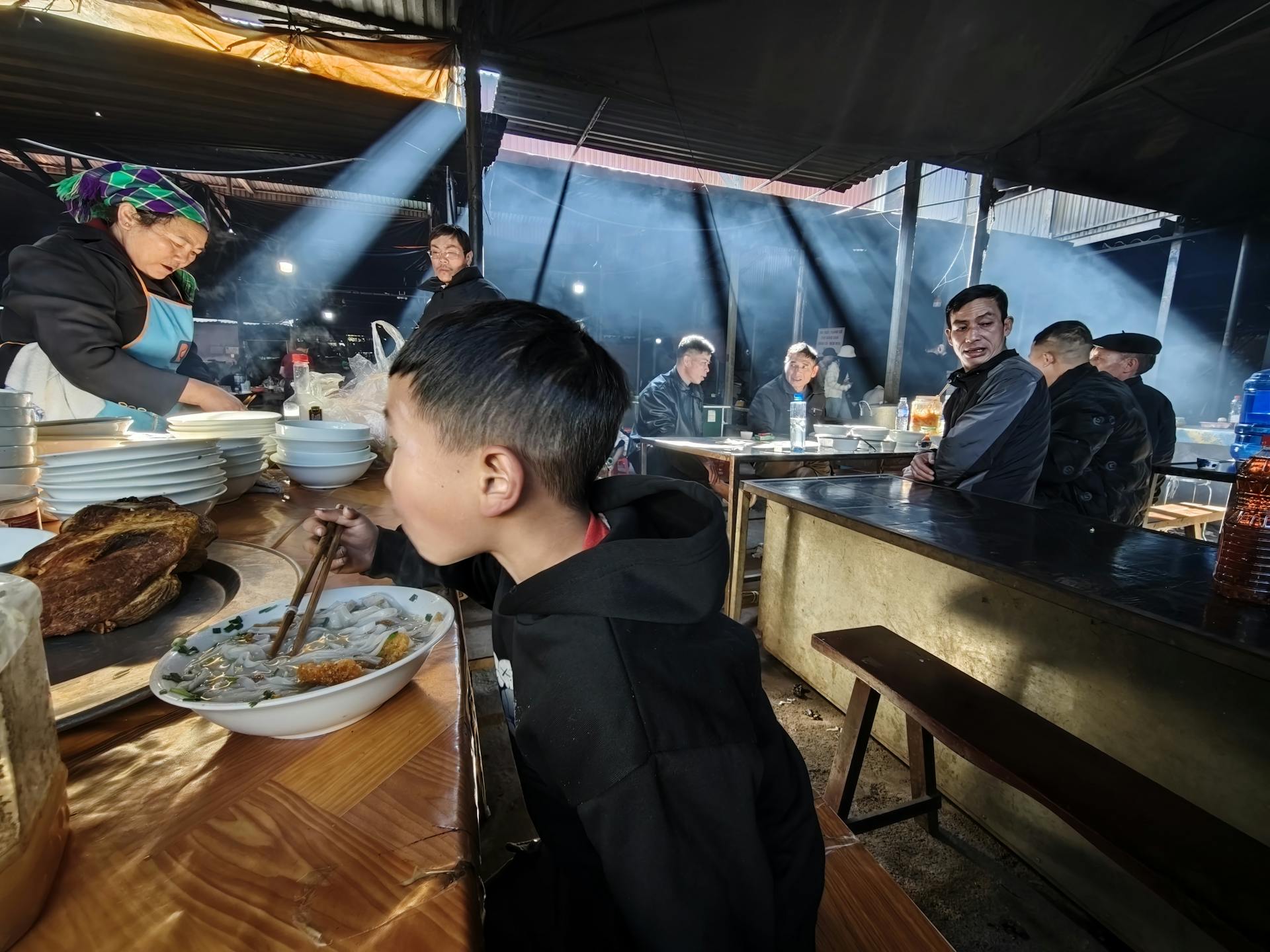 Maya cuisine was agricultural and the most important and staple crop was corn (maize). Corn was so essential that it was incorporated in most of the foods like the tortillas, the gruels, the flat cakes, and the pies prepared using the corn dough. They also consumed beans, squash, sweet potatoes, tomatoes, avocados, papaya, and cacao which was not only consumed but also used as currency. Although less common, meat consisted of domestic turkeys and wild meat such as deer, monkeys, armadillos and wild birds. The Maya food was prepared on stone hearths or on clay pots and chocolate beverages were particularly beloved delicacies. This diet showed a very high protein content of hunted and domesticated animals on a very vegetarian base and a healthy and balanced lifestyle of the Maya people.
Clothing: Social Status in Fabric and Feathers
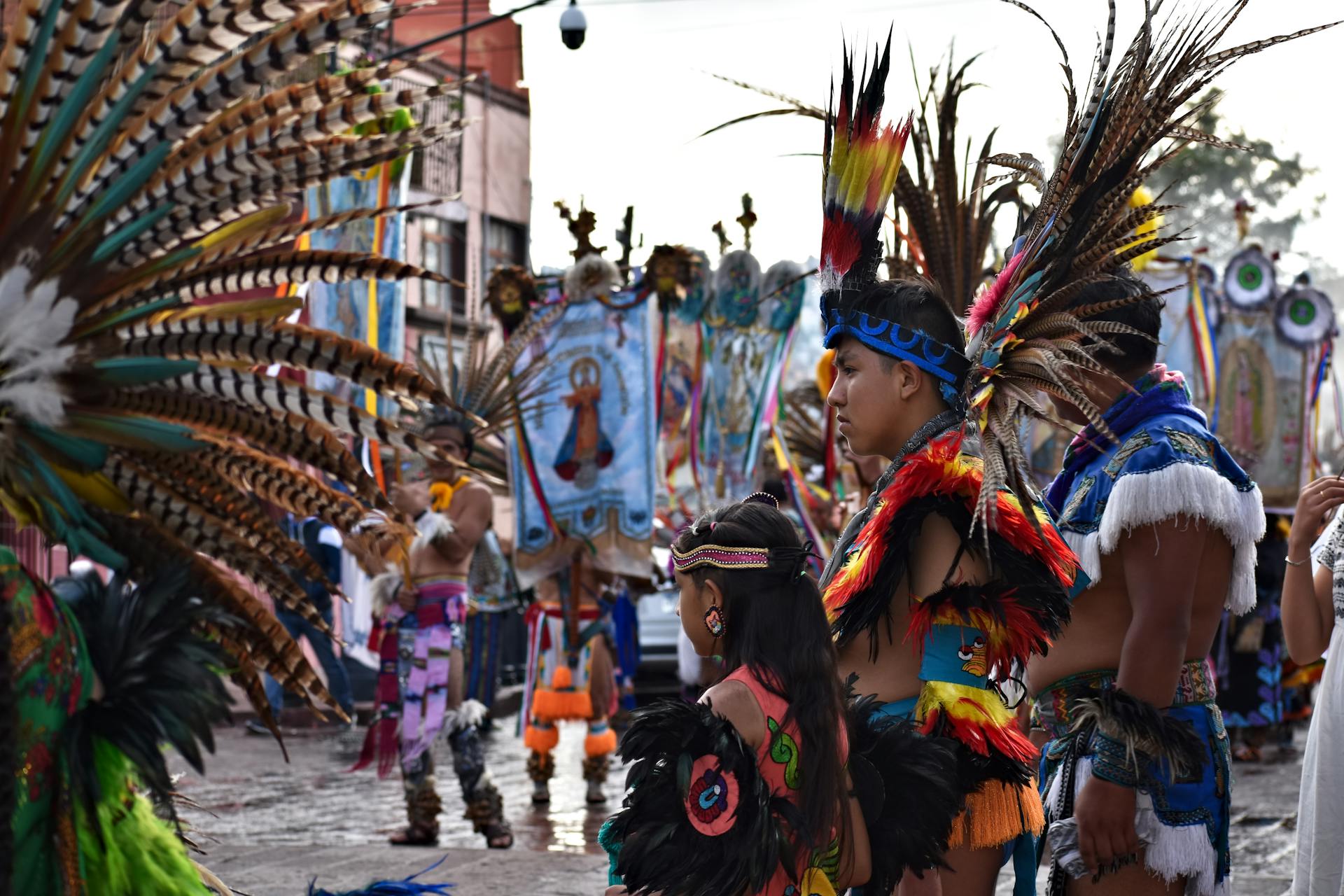 Maya wear was effective and a statement of social status. Common people wore very basic clothes like loin cloths and skirts or kilts which were usually made of woven cotton. Men also put on colored cloth turban or large square-shaped capes termed as pati occasionally adorned with jaguar skins or feathers. Females wore blousers and dresses. Clothing became extremely extravagant in the form of embroidery, use of feathers, jade jewels, and other precious stones during special ceremonies and festivals. The headdresses were one of the most significant signs of status, with higher and more elaborate hats being more significant. Hierarchy in Maya society could not have been expressed without such visual differentiation in clothing.
Customs: Rituals, Family, and Community Life
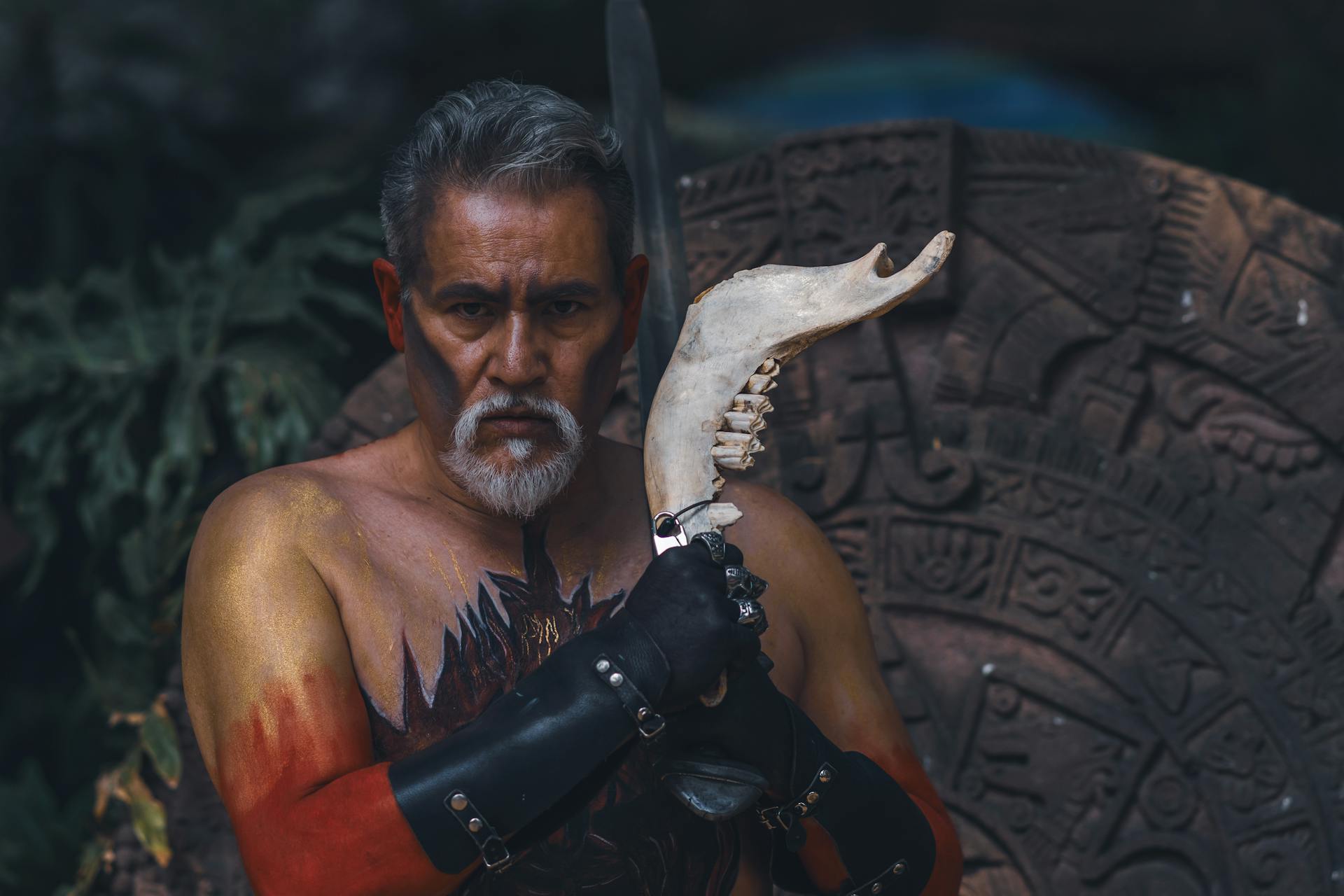 Maya traditions were influenced by close family relations, religious convictions and social positions. The birth of children was celebrated, and there were special naming ceremonies and bead or shell ornaments that signified innocence and childish stages. Marriage used to be arranged and the men used to join their family, after getting married, and assist their father-in-law. There was a religious permeation of day-to-day life, as ceremonies, festivals, and even sporting activities such as the ball game were religious. Cleanliness was ensured by bathing on a daily basis and the shamans were important in health and spiritual healing with rituals and natural healing. Celebrations were also dominated by dance, music and extravagant costumes owing to their strong culture of valuing performance arts.
Labor and Craftsmanship
Most of the Maya commoners were farmers who used the simple stone tools to till the land. Men used to work in the fields whereas women used to do domestic chores such as weaving cloth. The level of craftsmanship was high as craftsmen created beautiful fabrics, music instruments, ceramics, and statues. The artistic work of the Maya depicted the connection between their daily labor and their religious practices because most of the products were made in honor of gods, kings, or were utilized during religious rituals. Such equilibrium of practical work and artistic activity was crucial to the continuation of the economy and culture.
Community and Social Order
Maya cities were social and structured in terms of life. Men and women would also reside in separate quarters, and the bachelors had communal houses where they would learn their craft and war strategies. The elaborate displays at the festivals, clothing, and the rituals carried out by elites and the priests strengthened social order. The Maya were also a people who highly believed in the spiritual repercussions of death and they held a grand funeral by staging cremation or burial with differentiation being made according to social status. All these traditions highlighted the unity of the Maya between their everyday lives, the spirituality, and the social organization.
Altogether, the lifestyle of the ancient Maya was an intricate combination of subsistence, social identity and religion. Their cuisine, attire, and traditions tell of a civilization that was much in touch with its surroundings, its deities, and its social structure enabling us to know much about their life, occupation and prosperity over the centuries.