

Mayan art is a big array of symbolism that is highly entrenched in the spiritual beliefs, culture, and worldview of the ancient civilization. All works of art, including detailed carvings and grandiose sculptures, and even textiles and ceramics, narrate a story and have meanings that are imperative that the visitors to the Maya know about the complicated history and cosmology of the Maya. This paper will discuss some of the symbolic features in Mayan art that must be observed by every visitor to gain a better insight into its meaning.
Symbolism Rooted in Nature and Cosmology
 The Mayan art is massively affected by nature and cosmological motifs. Corn, water, jaguars, snakes, and birds are also common symbols as they symbolize very important aspects of Mayan life and spirituality. To illustrate, the jaguar is a sign of strength, power, and underworld which is commonly used with the gods of war and death. Snakes are also related to the creation and destruction cycles because they can shed their skin, and were thought to move between the earthly and the spiritual worlds. The dominant role of heavenly themes such as stars and other planets such as the Venus is linked to Mayan astronomy and the divine associations. These cosmic and earthly signs convey the perception of the Maya on the universe and their position in it.
Divine Figures and Mythological Narratives
The Mayan art is usually characterized by the representation of the gods, goddesses, and mythical animals having the symbolic features of their powers and narrations. The focus of religious iconography is the key to the spiritual story hidden in the painting. The maize god is a representation of fertility and sustenance and feathered serpent Kukulkan is a representation of wisdom and a relationship between earth and heavens. Other supernatural creatures, like Ah Puch, god of death, or Chaac, god of rain and lightning, are used through out the story highlighting key religious insights regarding life, death, and forces of nature. These illustrations are not decorative but they convey mythic elements that characterized Mayan cosmology and rituals.
Colors and Patterns as Symbolic Language
Mayan artists were strategic in the application of colors and geometric patterns to increase symbolic meanings. Red is commonly linked and related to blood, sacrifice and the east, the place of the rising sun and life. Green is a symbol of the world of nature and fertility, yellow is a symbol of the warmth of the sun and light, blue is a symbol of water and the sky, and white is a symbol of purity and spiritual world. Circles, spirals, and triangles are patterns which further develop the symbolic language to symbolize cycles of life, the universe and the divine order. All these elements form a visual syntax with which the Maya passed the cultural knowledge and spiritual values between generations.
Symbolism in Rituals and Royal Power
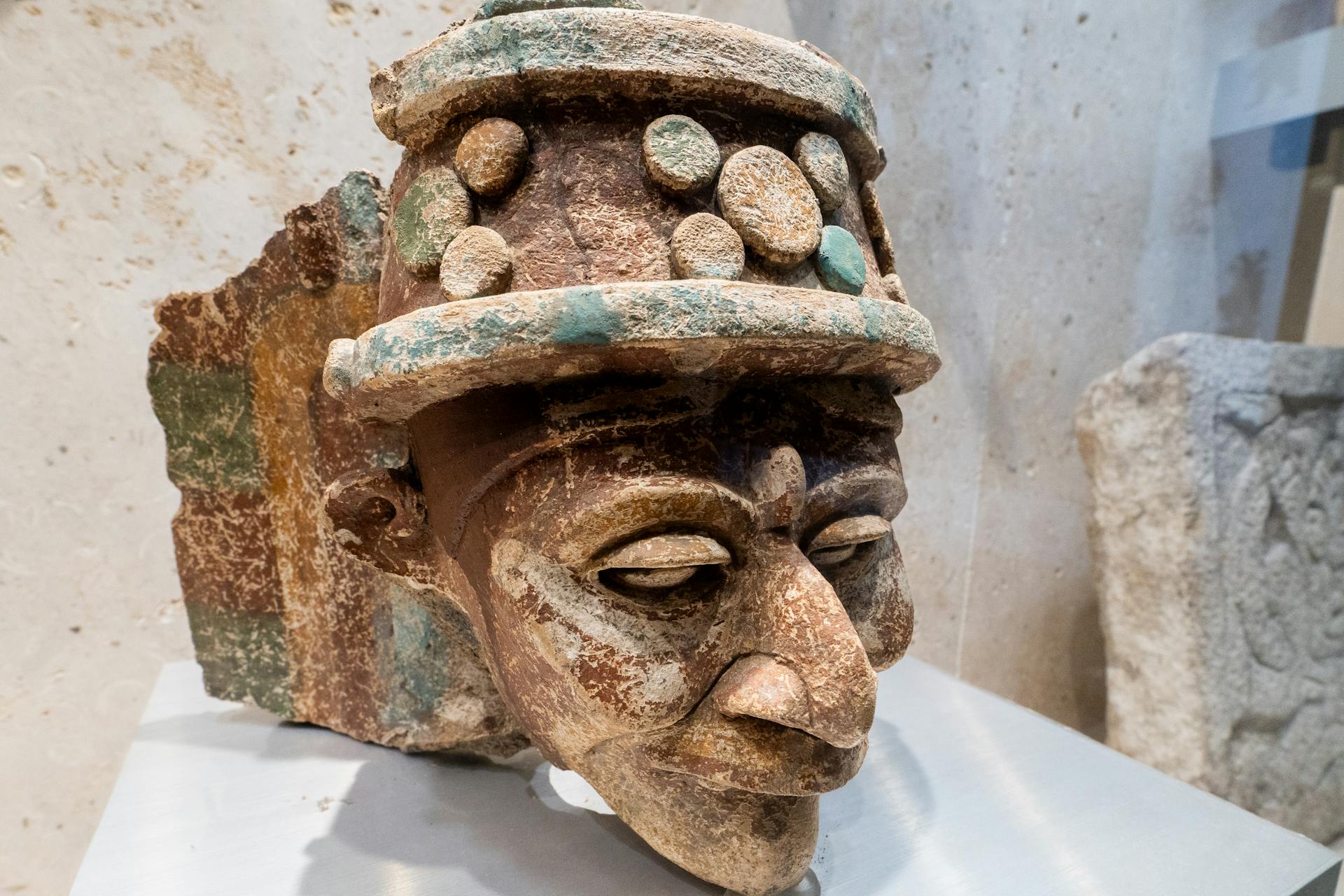 Mayan rituals and the manifestation of political power were connected with art. The royal lineage as well as divine right to rule are often highlighted by symbols on stelae, murals, and ceramics. Kings and queens were represented with fancy regalia as well as symbolic icons that associated them with gods and forces of nature. Symbolic motives were employed in ritual objects that summoned the presence of the deities and legitimized political authority. The ceremonies were supported by iconography which further supported the communicative process with the deities and emphasized the sacredness of the ruling and social order. The identification of these motifs enables the visitors to appreciate the fact that the Mayan art was highly connected to the governance and religion.
Interpreting Mayan Art Today
Gaining knowledge of the symbolism of the Mayan art enhances the enjoyment of their art, as one gets to understand about an ancient civilization that valued art as an important medium of communicating with spirits and people. Every symbol, figure, and color has certain meanings associated with mythology, cosmology and with the practice of rituals. Through the perception of this symbolic language, visitors are able to relate more to the worldview of the Maya and see the legacy of their artistic expression in modern indigenous culture and in the study of the Maya.
Simply put, Mayan art is much more than a work of beauty; it is an elaborate visual system that documents the faith, politics, and astronomical knowledge of one of the most astonishing civilizations in history. The knowledge of the symbolism provides the visitors with keys to open the abundance of stories in each Mayan art work.