

Science and astronomy Ancient Maya civilization contributed significantly to the field, which still applies in the present day. Their high culture made them create superior calendars, mathematical ideas and architectural methods and their observations were highly integrated with the culture and religion of the life. This paper discusses the role of the Maya in informing the modern scientific and astronomical ideas.
Astronomical Precision and Calendar Systems
The Maya were the most accurate in their observations of the heavenly bodies like the Sun, Moon and planets, particularly the Venus. They developed accurate calendar systems, most famously the Tzolk’in (260 days) and the Haab (365 days) which were used to structure religious rituals, agriculture and civic life. Amazingly, they calculated the solar year more correctly compared with the estimates of the Europeans on the Gregorian calendar that is still in use today. The Maya also developed elaborate tables to determine eclipses and planetary cycles and were shown to have known the complexity of astronomy with corrections made to planetary precession. Still these calendars and forecasts are one of the foundations of time and celestial cycles, shaping contemporary astronomy and calendar science.
Innovation in Mathematics and the Concept of Zero
The second element of their astronomical success was the fact that the Maya created an advanced mathematical system, with one of the earliest known applications of the idea of zero as a numeral value. This invention enabled the Maya to make complicated mathematical computations that could enable them to predict the occurrence of celestial phenomena with a lot of accuracy. Zero, which was not common in ancient societies, helped them to build long-range calendrical predictions and systematically record numerical data. This mathematical foundation led to techniques that are used in modern day scientific calculations and calendar making.
Architectural Alignments with Celestial Events
There is a strong scientific and spiritual association with astronomy that is shown in Maya architecture. Numerous temples, observatories and monumental buildings were set in relation to solstices, equinoxes, and the extreme positions of such planets as Venus. These orientations were not just symbolic but practical means of studying the heavens, and the Maya priests and astronomers could easily identify important events in the heavens. As an example, construction works like El Caracol in Chichén Itz were used as observatories, which allowed accurate tracking of the movement of the sun and planets over hundreds of years. This architectural synthesis of science and culture is an early kind of observational astronomy which informs the way in which human societies can interact with cosmic rhythms.
Cultural and Religious Integration of Astronomy
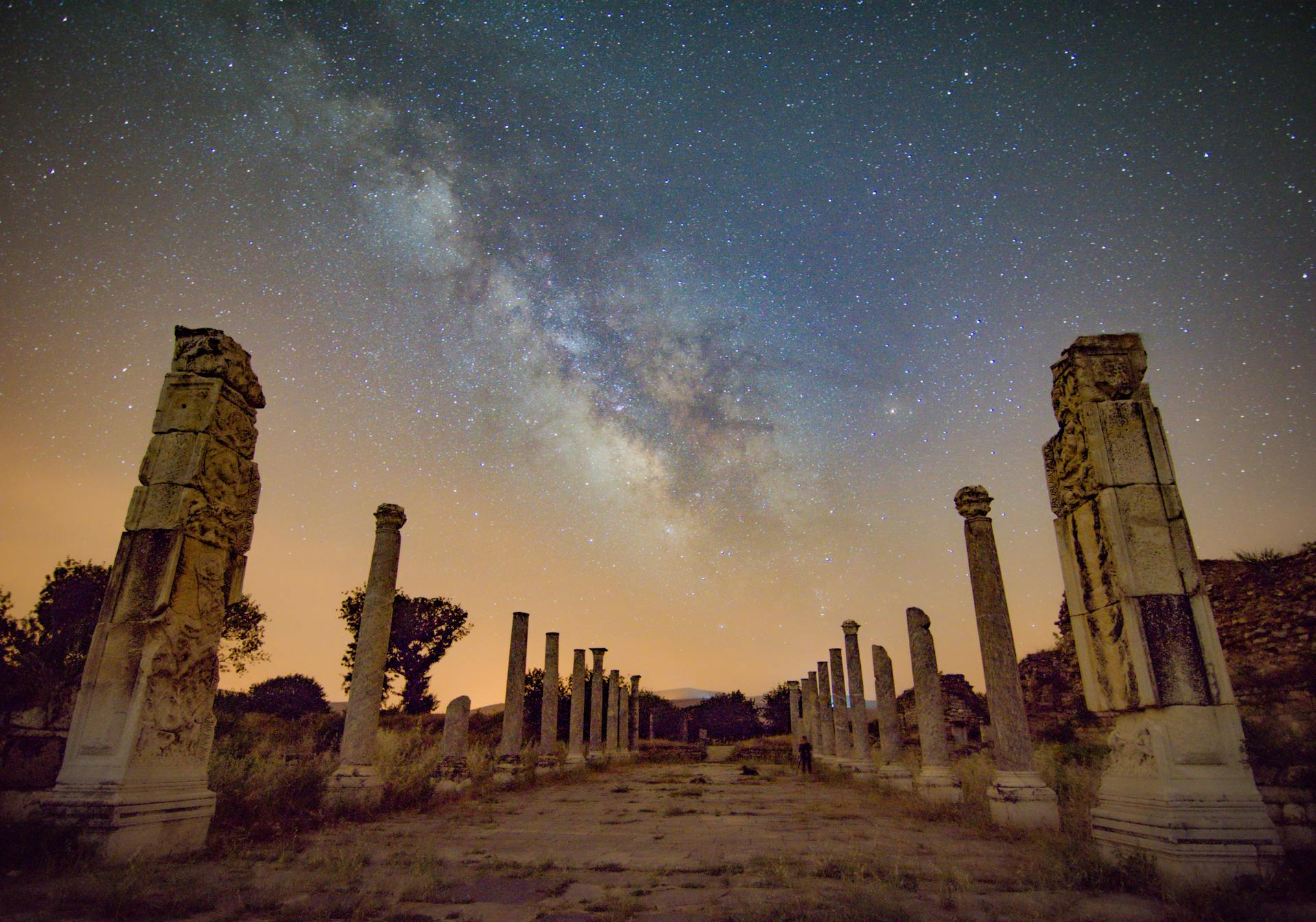 The Maya culture could not separate astronomy with their religious worldview. The Maya considered the celestial bodies as gods, which governed the everyday life and the universe. They were not only used scientifically, as their observations were detailed and were also used in divination to legitimize the authority of rulers and to determine the time to perform rituals. The star knowledge of the Maya determined the course of agriculture, the timing of war, and the rites of their religion, and it is an example of science being integrated into the social and religious structure. This comprehensive style presents the possibility of the existence of science and spirituality in the structure of a civilization, providing the understanding of the cultural aspects of scientific research.
Enduring Legacy and Modern Influence
 The Maya progress in astronomy and mathematics has left a mark that has continued to guide modern day science. Their improved calendars, accurate astronomical observations and mathematical inventions provided significant foundations to the future in these areas. It is common in the contemporary research of Maya codices and archaeological sites to find information about ancient methods of observation and scientific principles. Also, native Maya people to this day have a cultural attachment to these traditions which shows the timeless significance of their ancient wisdom. The combination of the empirical observation and symbolic meaning in the Maya adds to the history and progress of scientific thought.
The works of the Maya in the field of modern science and astronomy prove the existence of a certain combination of high empirical knowledge and the rich culture that contributed to the formation of human perception of the universe. Their work has remained a source of inspiration and education in scientific exploration as well as in the appreciation of culture of the heavens.